
About Central Sales Assistant
Central Sales Assistant is a sales management software from TeamCentral that supports sales teams in their daily operations. It includes features such as customer relationship management, sales forecasting, and reporting tools so teams can track performance and manage customer interactions effectively. This software helps in simplifying communication and improving data accuracy for sales professionals. Additionally, it provides tools for quota management and activity tracking to ensure accountability and drive results. Key capabilities: customer relationship management sales forecasting reporting tools quota management activity tracking Best for: sales teams that need to manage customer interactions and monitor sales performance efficiently.
Central Sales Assistant by TeamCentral is a comprehensive chatbot software designed to streamline customer relationship management (CRM) by integrating data from various sources into a single, easily accessible platform. Its primary purpose is to enhance productivity and efficiency by automating sales, marketing, operations, finance, and HR processes. The software boasts a user-friendly interface, allowing users to access customer information through voice and text commands. This eliminates the need for extensive manual research, saving valuable time for prospecting and customer experience teams. The user interface of Central Sales Assistant is intuitive and easy to navigate. It features a clean design with a focus on simplicity, making it accessible even for users with limited technical expertise. The interface includes unique design elements such as drag-and-drop functionality and pre-built connectors, which simplify the process of integrating complex logic across systems. Navigation is seamless, with users able to quickly access the information they need through a centralized hub.
Pros & Cons
- 1. Simplified Integration: The platform emphasizes no-code/low-code integration, using pre-built connectors and templatized data hubs, which simplifies connecting various systems without requiring coding expertise. This can significantly reduce implementation time and cost.
- 2. Rapid Deployment: The "Connect, Configure, Deploy" approach, along with version control, suggests a streamlined and efficient deployment process, enabling businesses to quickly integrate their systems.
- 3. Real-Time Data Synchronization: The platform offers real-time data synchronization of core business entities (employees, customers, products, orders, etc.), ensuring data consistency across systems and facilitating informed decision-making.
- 4. AI-Powered Virtual Assistant (SideKick): SideKick provides an AI-driven interface for data search and task automation through text or voice commands, potentially improving user experience and productivity. This offers a more intuitive way to interact with enterprise data.
- 5. Supply Chain Transparency: The platform promotes 100% supply chain transparency, likely by providing real-time visibility into data across the supply chain, which can improve efficiency and responsiveness.
- 6. Business Performance Analysis & KPI Monitoring: Features like business performance analysis, KPI newsfeed, and alerting enable businesses to track key metrics, identify trends, and receive timely notifications of potential issues.
- 7. Task Automation: The platform facilitates task automation, potentially streamlining workflows and freeing up employees for more strategic activities.
- 8. Wide Range of Connectors: 60+ pre-built connectors offer compatibility with a variety of systems, reducing the need for custom development and accelerating integration.
- 9. Custom Connector Development: The option to build custom connectors ensures flexibility for integrating with less common or proprietary systems.
- 10. Testing and Monitoring Tools: The inclusion of a test harness for automated unit testing and monitoring capabilities at both macro and payload levels ensures data quality and helps identify and resolve issues quickly.
- 11. Scalability: While not explicitly stated, the enterprise focus of the platform suggests it's designed to handle large volumes of data and complex integration scenarios.
- 1. Limited Information on Specific Features: While the platform highlights key features, it lacks detailed information on the specific functionalities and limitations of each feature, making it difficult to fully evaluate its suitability.
- 2. Potential Complexity for Highly Customized Integrations: While the platform emphasizes no-code/low-code, complex integrations might still require some technical expertise or custom development, potentially increasing implementation time and cost.
- 3. Dependence on Vendor: Reliance on a third-party platform for critical business processes can create dependence on the vendor for support and future development.
- 4. Data Security and Privacy Concerns: Integrating various systems and storing data on a third-party platform raises potential data security and privacy concerns, requiring careful evaluation of the vendor's security measures and compliance certifications.
- 5. Learning Curve: While the platform aims to simplify integration, users might still require some training and familiarization with the platform's interface and functionalities.
- 6. Integration Challenges: Even with pre-built connectors, integrating different systems can present unexpected challenges, requiring careful planning and testing.
- 7. Lack of Information on Offline Functionality: The website doesn't specify whether the platform offers any offline functionality, which could be important for businesses with remote or field operations.
- 8. Limited User Reviews/Testimonials: The website primarily relies on its own marketing materials and lacks user reviews or testimonials, which could provide valuable insights into real-world experiences with the platform.
Features
Key features
Users can connect on-premise and cloud systems using pre-built connectors and templatized data hubs without writing any code. This significantly lowers the barrier to entry and speeds up implementation.
SideKick provides enterprise data search and task automation through a text or voice interface. This allows users to easily access information and automate workflows using natural language.
The platform synchronizes core business data (employees, customers, products, orders, etc.) in real time. This ensures everyone has access to the most up-to-date information.
TeamCentral offers 60+ ready-to-use connectors for popular systems, along with templatized data hubs. This simplifies integration and reduces setup time.
The platform includes a test harness for automated unit testing and embedded version controls for data hubs. This streamlines development and deployment processes, improving reliability.
Users can monitor data automation performance at both macro and payload levels of detail. This provides granular insights into data flows and helps identify potential issues.
Additional features
Real-time synchronization of core business entities like employees, customers, products, and orders.
Presumably, tools for defining and managing automated business processes. The description isn't very detailed.
The ability to define and enforce business rules within data integrations.
Maintaining relationships and links between different data entities.
A secure gateway for accessing and managing APIs.
AI-powered assistant for data search and task automation via text or voice.
Facilitates transparency across the supply chain, likely through data integration and visibility.
Tools for analyzing business performance based on integrated data.
Provides a newsfeed of key performance indicators and sets up alerts for critical changes.
Automates tasks to optimize business processes.
60+ ready-to-use connectors for various systems.
Ability to create custom connectors for specific needs.
AI-powered automations to enhance business processes.
Tools for configuring integrations and performing automated unit testing.
Tools for deploying integrations and monitoring data automation performance.
Embedded version control for data hubs.
Pricing
Countries & Languages
Interface languages
Billing currencies
No reviews yet
Be the first to drop a review
Alternatives to Central Sales Assistant

Widebot
Widebot is a chatbot software from Widebot designed for automating customer communication. It includes features…

Verofax AI Customer Service Platform
Verofax AI Customer Service Platform is a customer service software from Verofax that provides AI-driven…

TextIt
TextIt is a multichannel messaging platform from TextIt that allows users to visually build messaging…
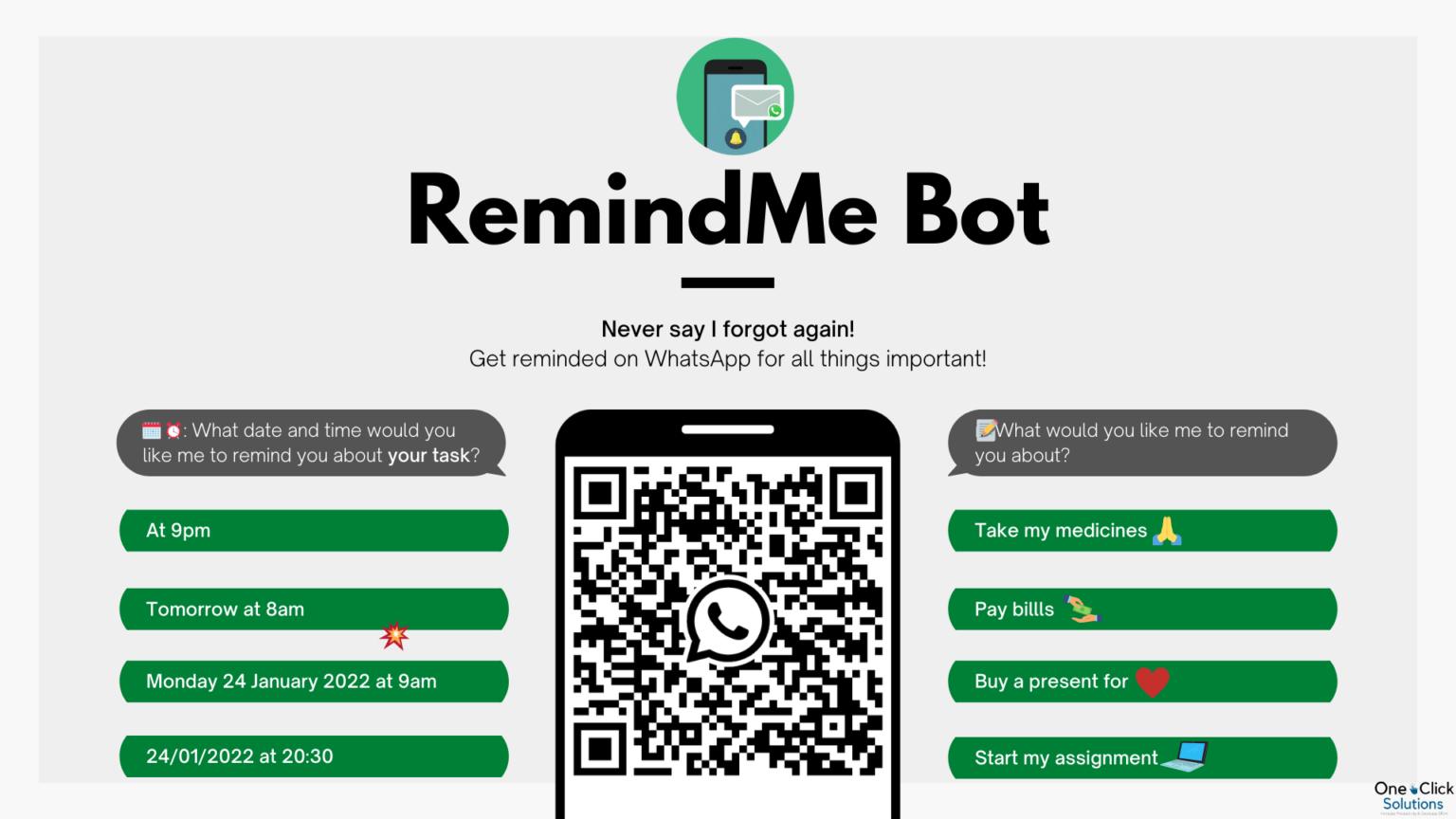
RemindMe Bot – WhatsApp Reminders
RemindMe Bot is a WhatsApp reminder software from One Click Solutions that helps users remember…


Spot something wrong or outdated?
Suggest a correction — a reviewer verifies every change.
About Central Sales Assistant
Central Sales Assistant is a sales management software from TeamCentral that supports sales teams in their daily operations. It includes features such as customer relationship management, sales forecasting, and reporting tools so teams can track performance and manage customer interactions effectively. This software helps in simplifying communication and improving data accuracy for sales professionals. Additionally, it provides tools for quota management and activity tracking to ensure accountability and drive results. Key capabilities: customer relationship management sales forecasting reporting tools quota management activity tracking Best for: sales teams that need to manage customer interactions and monitor sales performance efficiently.
Central Sales Assistant Details
Central Sales Assistant's In-App Market Place
Does Central Sales Assistant have an in-app market place?
Yes
How many Mini-Apps in the marketplace?
1
Mini Apps
N/A
Pricing Options
Accepted Payment Currencies
Usd ($), Eur (€), Gbp (£), Aud (A$), Cad (C$), Jpy (¥), Chf (Fr), Cny (元), Inr (₹), Rub (₽), Krw (₩), Brl (R$), Zar (R), Try (₺)
Pros & Cons
- 1. Simplified Integration: The platform emphasizes no-code/low-code integration, using pre-built connectors and templatized data hubs, which simplifies connecting various systems without requiring coding expertise. This can significantly reduce implementation time and cost.
- 2. Rapid Deployment: The "Connect, Configure, Deploy" approach, along with version control, suggests a streamlined and efficient deployment process, enabling businesses to quickly integrate their systems.
- 3. Real-Time Data Synchronization: The platform offers real-time data synchronization of core business entities (employees, customers, products, orders, etc.), ensuring data consistency across systems and facilitating informed decision-making.
- 4. AI-Powered Virtual Assistant (SideKick): SideKick provides an AI-driven interface for data search and task automation through text or voice commands, potentially improving user experience and productivity. This offers a more intuitive way to interact with enterprise data.
- 5. Supply Chain Transparency: The platform promotes 100% supply chain transparency, likely by providing real-time visibility into data across the supply chain, which can improve efficiency and responsiveness.
- 6. Business Performance Analysis & KPI Monitoring: Features like business performance analysis, KPI newsfeed, and alerting enable businesses to track key metrics, identify trends, and receive timely notifications of potential issues.
- 7. Task Automation: The platform facilitates task automation, potentially streamlining workflows and freeing up employees for more strategic activities.
- 8. Wide Range of Connectors: 60+ pre-built connectors offer compatibility with a variety of systems, reducing the need for custom development and accelerating integration.
- 9. Custom Connector Development: The option to build custom connectors ensures flexibility for integrating with less common or proprietary systems.
- 10. Testing and Monitoring Tools: The inclusion of a test harness for automated unit testing and monitoring capabilities at both macro and payload levels ensures data quality and helps identify and resolve issues quickly.
- 11. Scalability: While not explicitly stated, the enterprise focus of the platform suggests it's designed to handle large volumes of data and complex integration scenarios.
- 1. Limited Information on Specific Features: While the platform highlights key features, it lacks detailed information on the specific functionalities and limitations of each feature, making it difficult to fully evaluate its suitability.
- 2. Potential Complexity for Highly Customized Integrations: While the platform emphasizes no-code/low-code, complex integrations might still require some technical expertise or custom development, potentially increasing implementation time and cost.
- 3. Dependence on Vendor: Reliance on a third-party platform for critical business processes can create dependence on the vendor for support and future development.
- 4. Data Security and Privacy Concerns: Integrating various systems and storing data on a third-party platform raises potential data security and privacy concerns, requiring careful evaluation of the vendor's security measures and compliance certifications.
- 5. Learning Curve: While the platform aims to simplify integration, users might still require some training and familiarization with the platform's interface and functionalities.
- 6. Integration Challenges: Even with pre-built connectors, integrating different systems can present unexpected challenges, requiring careful planning and testing.
- 7. Lack of Information on Offline Functionality: The website doesn't specify whether the platform offers any offline functionality, which could be important for businesses with remote or field operations.
- 8. Limited User Reviews/Testimonials: The website primarily relies on its own marketing materials and lacks user reviews or testimonials, which could provide valuable insights into real-world experiences with the platform.
Central Sales Assistant's Support Options
Central Sales Assistant's Alternatives
Widebot
Widebot is a chatbot software from Widebot designed for automating customer communication. It includes features…
Verofax AI Customer Service Platform
Verofax AI Customer Service Platform is a customer service software from Verofax that provides AI-driven…
TextIt
TextIt is a multichannel messaging platform from TextIt that allows users to visually build messaging…
RemindMe Bot – WhatsApp Reminders
RemindMe Bot is a WhatsApp reminder software from One Click Solutions that helps users remember…