

About Vivi
Vivi is a digital communication platform from GoVivace Inc. designed for educators and administrators in schools. It provides features such as real-time messaging, content sharing, and event management so schools can maintain effective communication with students and parents. Vivi supports the sharing of important updates and resources, making it easier for schools to engage their communities. With intuitive tools for managing schedules and communication, it fosters a connected environment within the school. Key capabilities: real-time messaging content sharing event management user-friendly interface mobile access Best for: educational institutions that need to facilitate communication and engagement among students, parents, and staff.
Vivi by GoVivace Inc. is a cutting-edge conversational AI platform designed to enhance customer interactions through both chat and voicebot functionalities. Its primary purpose is to automate and improve customer service, sales, order processing, appointment booking, and survey processes, thereby reducing operational costs and increasing revenue. Vivi leverages generative AI and natural language processing to create realistic and natural voice and chat interactions across various channels, such as websites, mobile apps, texting, and phone calls. The user interface of Vivi is intuitive and user-friendly, making it easy for users to navigate and manage their customer interactions. The design is clean and organized, with a dashboard that provides a clear overview of ongoing interactions, performance metrics, and customer feedback. Unique design elements, such as drag-and-drop scheduling and real-time updates, enhance the user experience and improve efficiency. In terms of functionality and features, Vivi stands out with its comprehensive suite of tools. The software allows for detailed scheduling of customer interactions, support, sales, lead generation, order processing, appointment bookings, and surveys.
Pros & Cons
- 1. 24/7 Availability & Improved Call Management: Offers continuous support, reducing wait times and improving customer service availability. Handles call routing efficiently.
- 2. Cost Savings: Automates routine inquiries, freeing up human agents for complex tasks, potentially reducing staffing costs and infrastructure needs. The provided example shows significant potential savings.
- 3. Scalability: Can handle a large volume of concurrent conversations, adapting to fluctuating demand.
- 4. Improved Customer Service: Provides quick, consistent responses and personalized interactions based on user data, leading to higher customer satisfaction.
- 5. Enhanced User Experience: Offers a convenient and efficient way for customers to get answers and resolve issues, with proactive suggestions and follow-ups.
- 6. Increased Efficiency: Automates repetitive tasks and integrates with existing systems (CRM, ERP, etc.) to streamline workflows and data exchange.
- 7. Reduced Errors: Provides accurate information, minimizing human error in customer interactions. Learns and improves over time.
- 8. Multi-Lingual Support: Caters to a diverse customer base with multi-language capabilities.
- 9. Voice Biometrics: Enhances security through voice-based user authentication.
- 10. Customizability: Can be tailored to match brand identity, tone of voice, and industry-specific terminology.
- 11. Compliance: Helps businesses adhere to various regulations and standards (GDPR, HIPAA, etc.).
- 12. Omnichannel Integration: Provides a consistent experience across multiple channels (web, mobile, phone, social media, email, in-person).
- 13. Industry-Specific Use Cases: Offers tailored solutions for various industries like e-commerce, banking, healthcare, and telecommunications.
- 14. Data-Driven Insights: Captures customer interaction data to provide valuable insights into behavior, preferences, and sentiment.
- 15. Integration with CRM and Call Recording: Allows for better tracking and analysis of customer interactions.
- 16. Call Transcripts and Summaries: Provides valuable records of conversations.
- 17. No-Code Platform: Simplifies development and deployment, reducing the need for technical expertise.
- 18. Generative AI: Leverages advanced AI capabilities for more natural and intelligent conversations.
- 1. Cons:
- 2. Potential for Impersonal Interactions: While aiming for human-like conversations, AI may sometimes lack the empathy and nuance of human interaction, potentially frustrating some customers.
- 3. Complexity of Integration: Integrating with existing systems (CRM, ERP, etc.) might be complex and require technical expertise, despite the no-code claim for the bot itself.
- 4. Dependence on Data Quality: The effectiveness of the AI relies heavily on the quality and accuracy of the data it's trained on. Poor data can lead to inaccurate or inappropriate responses.
- 5. Technical Issues: Like any software, VIVI might experience technical glitches, outages, or errors that could disrupt customer service.
- 6. Security Concerns: Storing and managing sensitive customer data raises security concerns and requires robust security measures to prevent breaches.
- 7. Limited Understanding: While AI is advancing, it might still struggle with complex or unusual inquiries that require human judgment and critical thinking.
- 8. Job Displacement Concerns: Automation through AI could potentially lead to job displacement in customer service roles.
- 9. Customer Frustration with AI: Some customers may prefer interacting with humans and become frustrated with AI-driven support, even if it's efficient.
- 10. Over-Reliance on Technology: Businesses might become overly reliant on AI, neglecting the importance of human interaction in certain situations.
- 11. Lack of Transparency: Customers may not always be aware they are interacting with an AI, which could raise ethical concerns about transparency.
Features
Key features
VIVI allows businesses to build and deploy sophisticated AI-powered chatbots and voicebots across multiple channels (web, mobile, phone) without requiring any coding expertise. This simplifies development and expands accessibility.
Leveraging deep learning and neural networks, VIVI facilitates natural and intelligent conversations through both voice and text, creating a more human-like and engaging customer experience.
VIVI offers continuous availability and can handle a large volume of concurrent conversations without compromising performance, ensuring consistent customer service regardless of demand.
VIVI integrates with CRM, ERP, and other business applications, streamlining workflows and data exchange for improved efficiency.
VIVI can understand and respond in multiple languages, catering to a diverse customer base and expanding market reach.
VIVI incorporates voice biometrics for user authentication, enhancing security and streamlining access for authorized users.
Additional features
VIVI automates call routing and provides self-service options, reducing wait times and improving customer experience.
VIVI supports multiple languages and can scale to handle a high volume of interactions concurrently.
VIVI offers round-the-clock availability and enhances call management, ensuring consistent service.
VIVI integrates with CRM systems and provides call recording capabilities for improved customer management.
VIVI generates call transcripts and summaries for easy review and analysis.
VIVI ensures consistent service delivery and provides actionable insights from customer interactions.
VIVI offers API integrations with third-party applications to extend its functionality.
VIVI is a no-code platform enabling development of AI-powered voice and chat solutions across multiple channels.
VIVI can be customized to match brand identity and industry-specific needs.
VIVI can assist with compliance with regulations like GDPR, HIPAA, etc.
VIVI offers specialized functionalities for e-commerce and retail, such as personalized recommendations and order management.
VIVI provides features tailored for these industries, including account management and financial advice.
VIVI assists with hotel bookings, flight reservations, and itinerary planning in the hospitality and travel sectors.
VIVI supports appointment booking, symptom assessment, and insurance verification in healthcare.
VIVI helps with technical support, billing inquiries, and service information in the telecom industry.
VIVI uses voice biometrics for user authentication and security.
Pricing
Countries & Languages
Interface languages
Billing currencies
No reviews yet
Be the first to drop a review
Alternatives to Vivi

Widebot
Widebot is a chatbot software from Widebot designed for automating customer communication. It includes features…

Verofax AI Customer Service Platform
Verofax AI Customer Service Platform is a customer service software from Verofax that provides AI-driven…

TextIt
TextIt is a multichannel messaging platform from TextIt that allows users to visually build messaging…
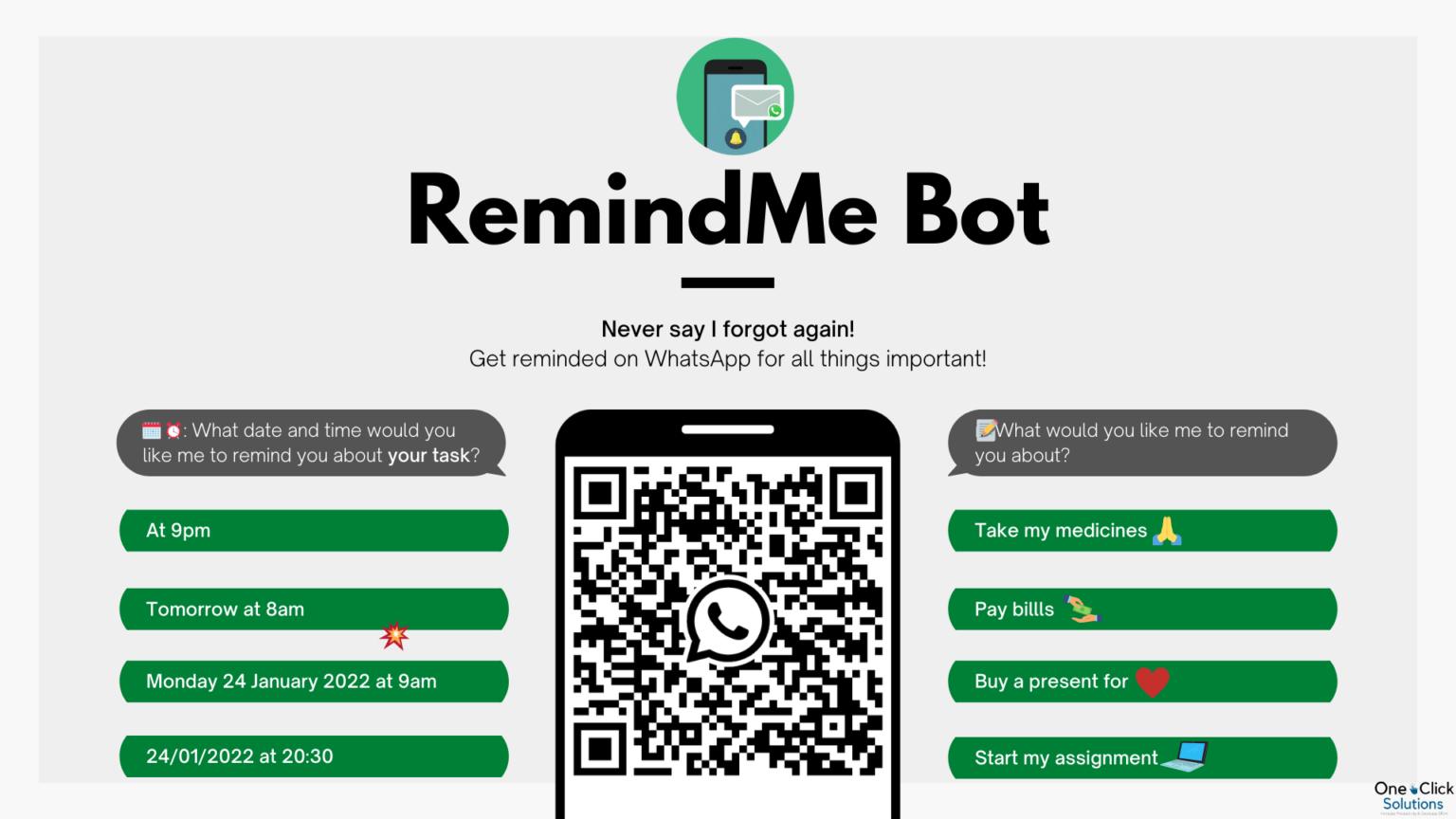
RemindMe Bot – WhatsApp Reminders
RemindMe Bot is a WhatsApp reminder software from One Click Solutions that helps users remember…


Spot something wrong or outdated?
Suggest a correction — a reviewer verifies every change.
About Vivi
Vivi is a digital communication platform from GoVivace Inc. designed for educators and administrators in schools. It provides features such as real-time messaging, content sharing, and event management so schools can maintain effective communication with students and parents. Vivi supports the sharing of important updates and resources, making it easier for schools to engage their communities. With intuitive tools for managing schedules and communication, it fosters a connected environment within the school. Key capabilities: real-time messaging content sharing event management user-friendly interface mobile access Best for: educational institutions that need to facilitate communication and engagement among students, parents, and staff.
Vivi Details
Vivi's In-App Market Place
Does Vivi have an in-app market place?
Yes
How many Mini-Apps in the marketplace?
1
Mini Apps
N/A
Pricing Options
Accepted Payment Currencies
USD ($), EUR (€), GBP (£), AUD (A$), CAD (C$), JPY (¥), CNY (¥), INR (₹), AED (د.إ), SGD (S$)
Pros & Cons
- 1. 24/7 Availability & Improved Call Management: Offers continuous support, reducing wait times and improving customer service availability. Handles call routing efficiently.
- 2. Cost Savings: Automates routine inquiries, freeing up human agents for complex tasks, potentially reducing staffing costs and infrastructure needs. The provided example shows significant potential savings.
- 3. Scalability: Can handle a large volume of concurrent conversations, adapting to fluctuating demand.
- 4. Improved Customer Service: Provides quick, consistent responses and personalized interactions based on user data, leading to higher customer satisfaction.
- 5. Enhanced User Experience: Offers a convenient and efficient way for customers to get answers and resolve issues, with proactive suggestions and follow-ups.
- 6. Increased Efficiency: Automates repetitive tasks and integrates with existing systems (CRM, ERP, etc.) to streamline workflows and data exchange.
- 7. Reduced Errors: Provides accurate information, minimizing human error in customer interactions. Learns and improves over time.
- 8. Multi-Lingual Support: Caters to a diverse customer base with multi-language capabilities.
- 9. Voice Biometrics: Enhances security through voice-based user authentication.
- 10. Customizability: Can be tailored to match brand identity, tone of voice, and industry-specific terminology.
- 11. Compliance: Helps businesses adhere to various regulations and standards (GDPR, HIPAA, etc.).
- 12. Omnichannel Integration: Provides a consistent experience across multiple channels (web, mobile, phone, social media, email, in-person).
- 13. Industry-Specific Use Cases: Offers tailored solutions for various industries like e-commerce, banking, healthcare, and telecommunications.
- 14. Data-Driven Insights: Captures customer interaction data to provide valuable insights into behavior, preferences, and sentiment.
- 15. Integration with CRM and Call Recording: Allows for better tracking and analysis of customer interactions.
- 16. Call Transcripts and Summaries: Provides valuable records of conversations.
- 17. No-Code Platform: Simplifies development and deployment, reducing the need for technical expertise.
- 18. Generative AI: Leverages advanced AI capabilities for more natural and intelligent conversations.
- 1. Cons:
- 2. Potential for Impersonal Interactions: While aiming for human-like conversations, AI may sometimes lack the empathy and nuance of human interaction, potentially frustrating some customers.
- 3. Complexity of Integration: Integrating with existing systems (CRM, ERP, etc.) might be complex and require technical expertise, despite the no-code claim for the bot itself.
- 4. Dependence on Data Quality: The effectiveness of the AI relies heavily on the quality and accuracy of the data it's trained on. Poor data can lead to inaccurate or inappropriate responses.
- 5. Technical Issues: Like any software, VIVI might experience technical glitches, outages, or errors that could disrupt customer service.
- 6. Security Concerns: Storing and managing sensitive customer data raises security concerns and requires robust security measures to prevent breaches.
- 7. Limited Understanding: While AI is advancing, it might still struggle with complex or unusual inquiries that require human judgment and critical thinking.
- 8. Job Displacement Concerns: Automation through AI could potentially lead to job displacement in customer service roles.
- 9. Customer Frustration with AI: Some customers may prefer interacting with humans and become frustrated with AI-driven support, even if it's efficient.
- 10. Over-Reliance on Technology: Businesses might become overly reliant on AI, neglecting the importance of human interaction in certain situations.
- 11. Lack of Transparency: Customers may not always be aware they are interacting with an AI, which could raise ethical concerns about transparency.
Vivi's Support Options
Vivi's Alternatives
Widebot
Widebot is a chatbot software from Widebot designed for automating customer communication. It includes features…
Verofax AI Customer Service Platform
Verofax AI Customer Service Platform is a customer service software from Verofax that provides AI-driven…
TextIt
TextIt is a multichannel messaging platform from TextIt that allows users to visually build messaging…
RemindMe Bot – WhatsApp Reminders
RemindMe Bot is a WhatsApp reminder software from One Click Solutions that helps users remember…