
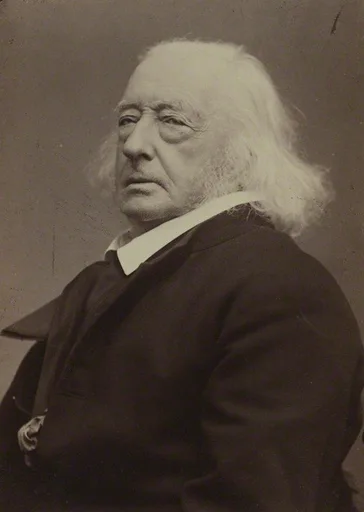
Details
Category
Author
Role
Author / Writer
Industry
Arts & Literature
Wikidata
Q6259525
Notable for
John Stuart Blackie was born in Glasgow in 1809 but moved the Aberdeen in the same year when his father secured employment with the Commerci
Birth Date
1809-07-28
Death Date
1895-03-02
Gender
male
Nationality
United Kingdom of Great Britain and Ireland
Birthplace
Glasgow
Occupations
linguist, historian, translator, university teacher, writer, literary critic, biographer, songwriter, journalist, poet, politician, essayist, political writer, philologist, opinion journalist
Education
University of Edinburgh
Bio
John Stuart Blackie was born in Glasgow in 1809 but moved the Aberdeen in the same year when his father secured employment with the Commercial Bank. He was educated in Aberdeen and Edinburgh before continuing his studies in various locations throughout Europe, including Berlin and Rome. He returned to Britain in 1831 and was admitted to the Faculty of Advocates in 1834. He was appointed as the first incumbent of the chair of Humanity at Aberdeen University and gave popular lectures on a variety of subjects. He went on to succeed to the Greek chair at Edinburgh University.
His classical publications included translations of Greek literature as well as the study of the Greek language, his translation of the 'Iliad' appearing in 1866. He also published works on Scottish, philosophical, religious and political topics. He was a keen advocate of university reform and was instrumental in setting two further chairs in Fine Art and Celtic. His flamboyant, eccentric persona made him easily recognisable by the students and citizens of Edinburgh.
Blackie had a great fondness for the Highlands and Islands and he and his wife spent their summers on the west coast at Oban, eventually building their own house there. He was sympathetic to the plight of the Highland crofters and was very enthusiastic about the Gaelic language. Publications from this period include 'The Gaelic Language' (1864), 'Lays of the Highlands and Islands' (1871), 'The Language and Literature of the Highlands' (1876), and 'Altavona: Fact and Fiction From My Life in the Highlands' (1882).
He died at his Edinburgh home on 2 March 1895, and after the funeral service at St Giles, was buried in the Dean cemetery.
Personal Name
John Stuart Blackie
Languages
Latin
Relationships
Written By (Incoming)
Greek primer, colloquial and constructive.The language and literature of the Scottish HighlandsFour phases of moralsThe Day Book Of John Stuart Blackielanguage and literature of the Scottish HighlandsLay sermonsThe natural history of atheismDemocracyEssays on subjects of moral & social interestLay sermons.Lay sermonssong of heroes.On self-cultureSelf-Culture, Intellectual, Physical And MoralThe language and literature of the Scottish highlandsFour phases of moralsHomer and the IliadWhat Does History Teach?: Two Edinburgh LecturesNotes of a lifeOn BeautyThe language and literature of the Scottish HighlandsThe Language And Literature Of The Scottish HighlandsOn beautyScottish songThe ideal of humanity in old times and newWhat does history teach?Lay sermonsFour phases of moralsWhat does history teach? Two Edinburgh lectures.Horae HellenicæOn democracyCharacter, condition and prospects of the Greek peopleLays and Legends of Ancient GreeceOn the pre-Socratic philosophyScottish song: its wealth, wisdom, and social significanceLyrical dramasThe Pronunciation of GreekFour Phases Of MoralsSelf-culture, physical, intellectual and moralClassical literature in its relationSelf-culture, physical, intellectual and moralFour phases of moralsLife of Robert BurnsHorae HellenicaeSelected poemsGreek and English dialogues, for use in schoolsFour phases of moralsOn self-cultureOn forms of governmentThe lyrical dramasMusa burschicosaThe natural history of atheismLays of the Highlands and islandsMessis vitaeFour phases of moralsHorae hellenicaeOn the living language of the Greeks, and its utility to the classical scholarOn self-culture, intellectual, physical, and moral.Life of Robert BurnsChristianity and the ideal of humanity in old times and newSelf-Culture, Intellectual, Physical And MoralThe language and literature of the Scottish Highlands.Songs Of Religion And LifeThe water cure in Scotland: five letters from DunoonThe Wise Men Of Greece In A Series Of Dramatic DialoguesThe day-book of John Stuart BlackieAltavonaThe day-book of John Stuart BlackieLay sermonsThe language and literature of the Scottish Highlands.Songs of religion and life.Life of Robert Burns.Musa burschicosaOn self-culture, intellectual, physical, and moral.The wise men of GreeceThe selected poems of John Stuart BlackieThe Wise Men of Greece in a Series of Dramatic DialoguesOn self-cultureScottish SongThe pronunciation of GreekThe wisdom of GoetheThe wise men of GreeceOn self-culture, intellectual, physical and moralHomer and the IliadLays and legends of ancient GreeceHomer And The Iliad V3Education in Scotland: An Appeal to the Scottish People, on the Improvement ...Christianity and the ideal of humanity in old times and new.FaustFaustHomer And The Iliad V3What does history teach?On self-culture, intellectual, physical, and moral.A song of heroesletters of John Stuart Blackie to his wife, with a few earlier ones to his parentsThe pronunciation of Greek: accent and quantityThe Wisdom Of GoetheGaelic societies, highland depopulation, and land law reform.Four phases of moralsThe constitutional association on forms of government: a historical review and estimate of the growth of the principal types of political organism in EuropeLife of Robert BurnsThe Language and Literature of the Scottish HighlandsLyrical poemsWar songs of the GermansWhat does history teach?Musa burschicosaWhat does history teach?Messis vitaeOn self-culture, intellectual, physical, and moral.Homer and the IliadThe Language And Literature Of The Scottish HighlandsThe natural history of atheism.