
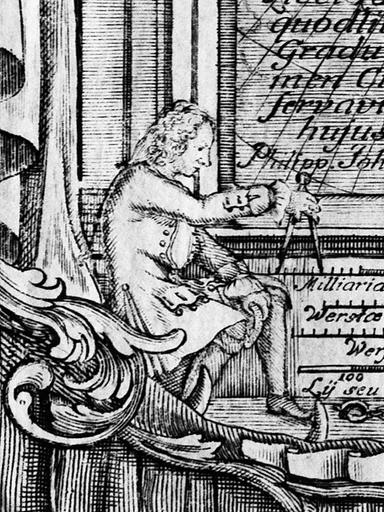
Details
Category
Author
Role
Author / Writer
Industry
Arts & Literature
Wikidata
Q76639
Birth Date
1676-01-01
Death Date
1747
Gender
male
Nationality
Sweden
Birthplace
Stralsund
Occupations
explorer, cartographer, military personnel, geographer, military officer, soldier
Personal Name
Philipp Johann von Strahlenberg
Languages
German, Latin
Relationships
Written By (Incoming)
An historico-geographical description of the north and eastern parts of Europe and AsiaAn histori-geographical description of the north and eastern part of Europe and AsiaDas nord- und ostliche Theil von Europa und Asia: In so weit solches das ...An histori-geographical description of the north and eastern part of Europe and Asia; but more particularly of Russia, Siberia, and Great Tartary; ... Together with an entire new polyglot-table of the dialects of 32 tartarian nations: and a vocabulary of the Kalmuck - Mungalian tongue. As also, a large and accurate map of those countries; and variety of cuts, ... Written originally in High German. By Mr. Philip John von Strahtenberg, ...An historico-geographical description of the north and eastern parts of Europe and AsiaAn histori-geographical description of the north and eastern part of Europe and Asia; but more particularly of Russia, Siberia, and Great Tartary; ... Together with an entire new polyglot-table of the dialects of 32 tartarian nations: and a vocabulary of the Kalmuck - Mungalian tongue. As also, a large and accurate map of those countries; and variety of cuts, ... Written originally in High German. By Mr. Philip John von Strahtenberg, ...An historico-geographical description of the north and eastern parts of Europe and Asia, but more particularly of Russia, Siberia, and Great Tartary; ... together with an entire new polyglot-table of the dialects of 32 Tartarian nations: and a vocabularyof the Kalmuck-Mungalian tongue, as also, a large and accurate map of those countries; and variety of cuts, ...An historico-geographical description of the north and eastern parts of Europe and Asia; but more particularly of Russia, Siberia, and Great Tartary both in their ancient and modern state: together with an entire new polyglot-table of the dialects of 32 Tartarian nations: and a vocabulary of the Kalmuck-Mungalian tongue