
Details
Category
Author
Role
Author / Writer
Industry
Arts & Literature
Wikidata
Q1522418
Notable for
La Barre was born in Uniontown, Pennsylvania, the son of a banker. After graduating from Princeton University in 1933 he began field work wi
Birth Date
1911-12-13
Death Date
1996-03-13
Gender
male
Nationality
United States
Birthplace
Pennsylvania
Occupations
anthropologist
Education
Princeton University
Bio
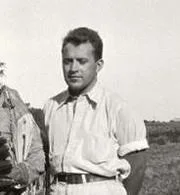
La Barre was born in Uniontown, Pennsylvania, the son of a banker. After graduating from Princeton University in 1933 he began field work with the Yale Institute of Human Relations. During this period, La Barre worked with one of his lifelong academic associates, Richard Evans Schultes of Harvard University. Travelling and sleeping in Schultes' old car, they traveled extensively throughout Oklahoma on their quest to study the peyote cult of the Plains Indians. La Barre received his doctorate from Yale in 1937 with a thesis on peyote religion. In a 1961 article, La Barre wrote that "It was [La Barre's teacher at Yale] Edward Sapir, more than any other person, who first effectively imported psychoanalysis into the body of American anthropology...At a time when the official anthropological journals were systematically ignoring psychoanalysis and the prevailing climate of opinion was chilly if not hostile, Sapir was giving his students as required reading the works of Abraham, Jones, Ferenczi and other classic writers." In the 1970s, La Barre taught those same classic psychoanalytic works to Duke medical students.
Personal Name
Weston La Barre
Awards
Guggenheim Fellowship
Relationships
Written By (Incoming)
They shall take up serpentsWanted: a pattern for modern manThe peyote cultReview of B.G. Myerhoff, "Peyote hunt"The Peyote Cult..A retort courteous to Omer C. StewartThey shall take up serpentsThe human animalCulture in Context"Washo-Northern paiute peyoteism" by Omer C. StewartThe ghost danceEl culto del peyoteThe Aymara Indians of the Lake Titicaca Plateau, Bolivia.human animalThey Shall Take Up SerpentsThe Peyote CultThe peyote cultMateria medica of the Aymara Lake Titicaca Plateau, BoliviaGhost DanceGhost DanceThey shall take up serpentsThe ghost danceMescalism and peyoteismNative American BeersThe Aymara Indians of the Lake Titicaca Plateau, BoliviaThey Shall Take Up Serpents; Psychology of the Southern Snake-Handling CultHallucinogens and the shamanic origins of religionShadow of childhoodReligious freedom of Indians again upheldThe Aymara Indians of the Lake Titicaca Plateau, Bolivia.The peyote cult.The ghost dancePeyote CultThe human animal.The Peyote CultFrom Anxiety to Method in the Behavioral Sciences"To find our lifeThe peyote cult.The Human AnimalThey shall take up serpentsReview of R. DeMille, "Castaneda's journey"La Barre's Rejoinder to BlumThey shall take up serpentsThe diabolic rootNative American beersThe Peyote cultThe Peyote cult.Culture in ContextThe human animal.Review of R.G. Wasson, G. & F. Cowan, and W. Rhodes, "Maria Sabina"The human animal (Phoenix book)From Anxiety to Method in the Behavioral SciencesThe human animal.The ghost danceThe human animal.Old and new world narcoticsA major area of amerindian hallucinogens"Peyoteism and New Mexico" by C. Burton DustinGhost DanceShamanic origins of religion and medicineThe narcotic complex of the New WorldThe human animal.MuelosThey Shall Take Up SerpentsThe peyote cultThe Aymara Indians of the Lake Titicaca Plateau, Bolivia